
Plain-language public health
Public health tools and guides, in plain language
Direct answer: Public Health is a tools site that also publishes guides. Use a tool when you want a published reading or a sourced population figure; read a guide when you want to understand the system, data or policy behind it. Nothing here is medical advice.
Systems Explained Global Data Explained
Awareness only. Nothing here is medical advice.
Every figure names its source, year and population.
Short sentences, defined terms, no jargon walls.
Not medical advice and not affiliated with WHO, CDC or NHS.
Featured · happening now
Featured, dated 7 November 2026
Measles is back: why it matters
Measles is resurging because vaccination coverage is below the 95% needed to stop it. Next review 14 November 2026, after the PAHO commission meets.
Published 6 November 2026 · Last reviewed 7 November 2026
Ebola (Bundibugyo) outbreak
The 2026 outbreak in DR Congo, the vaccines, and the trial under way — a dated snapshot from 1 November 2026.
Published 6 November 2026 · Last reviewed 7 November 2026
Pandemics happening now
A dated snapshot of the outbreaks under way, re-checked weekly while a public health emergency is active.
Published 6 November 2026 · Last reviewed 7 November 2026 · Next review 14 November 2026
New here? Start here
- What is public health? — the basics, on this page
- How health systems work around the world
- A country profile: Health system — United Kingdom
For parents and families: The first five years matter. For students and professionals: How to check a health claim.
Tools
Try a tool
Checklists, calculators and lookups that run in your browser. Nothing you enter is sent anywhere.

WHO Global Data Explorer
Dated, sourced population-level figures from WHO and WHO/UNICEF sources.
Air Quality Index Lookup
Enter a place name to see its published air-quality reading, with time and source.
UV Index Lookup
Enter a place name to see its published UV index, with time and source.
Water, Sanitation and Hygiene Tool
A general handwashing timer plus a general-knowledge quiz about water, sanitation and hygiene as population topics.
Myth or Fact Quiz
A general health-literacy quiz — systems, determinants, policy, climate — one statement at a time, with an explanation and a named source per answer.
Five Keys to Safer Food Checklist
Tick each of the WHO Five Keys to Safer Food.

Emergency Preparedness Checklist
Enter household size and days of supply to see general Ready.gov planning quantities for water and food.

Health Awareness Days Calendar
A calendar of public-health awareness days — dates and official links only.
Vaccination Directory by Country
A directory of official sources only.
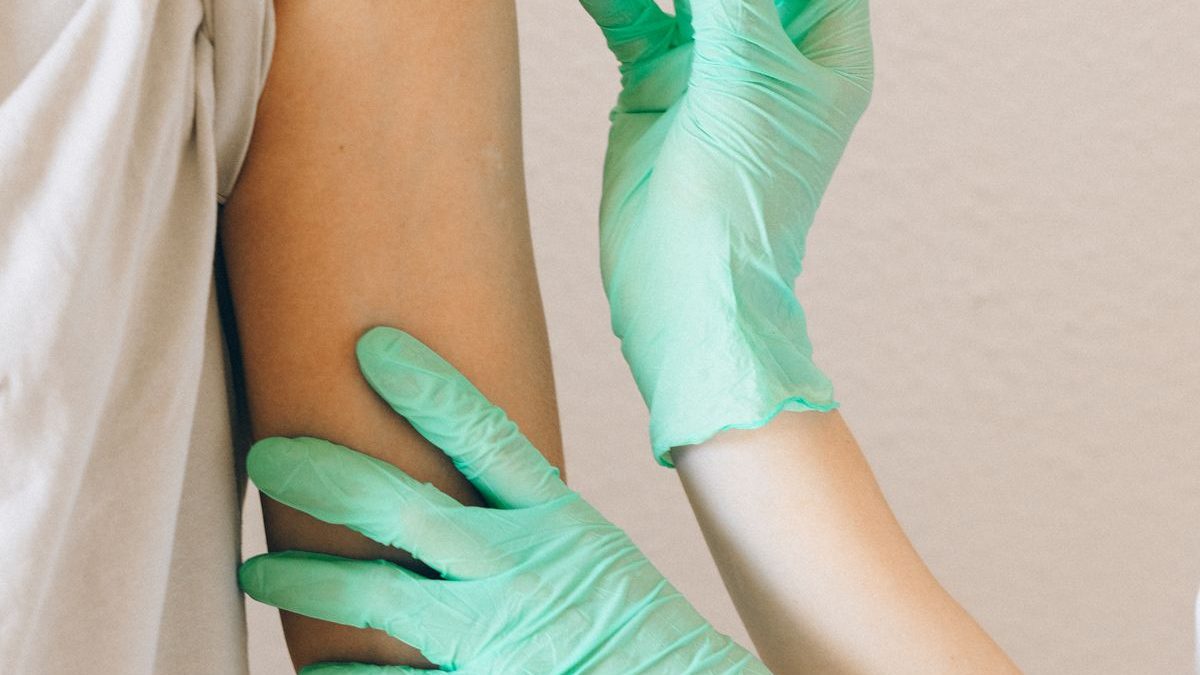
Vaccination Schedules and Data
The official sources behind the vaccination guides: WHO and CDC schedules, global coverage data, and the fact sheets.
Published 7 November 2026 · Last reviewed 7 November 2026

Outbreak Snapshots Directory
A directory of hand-checked outbreak entries, each with its source and date.
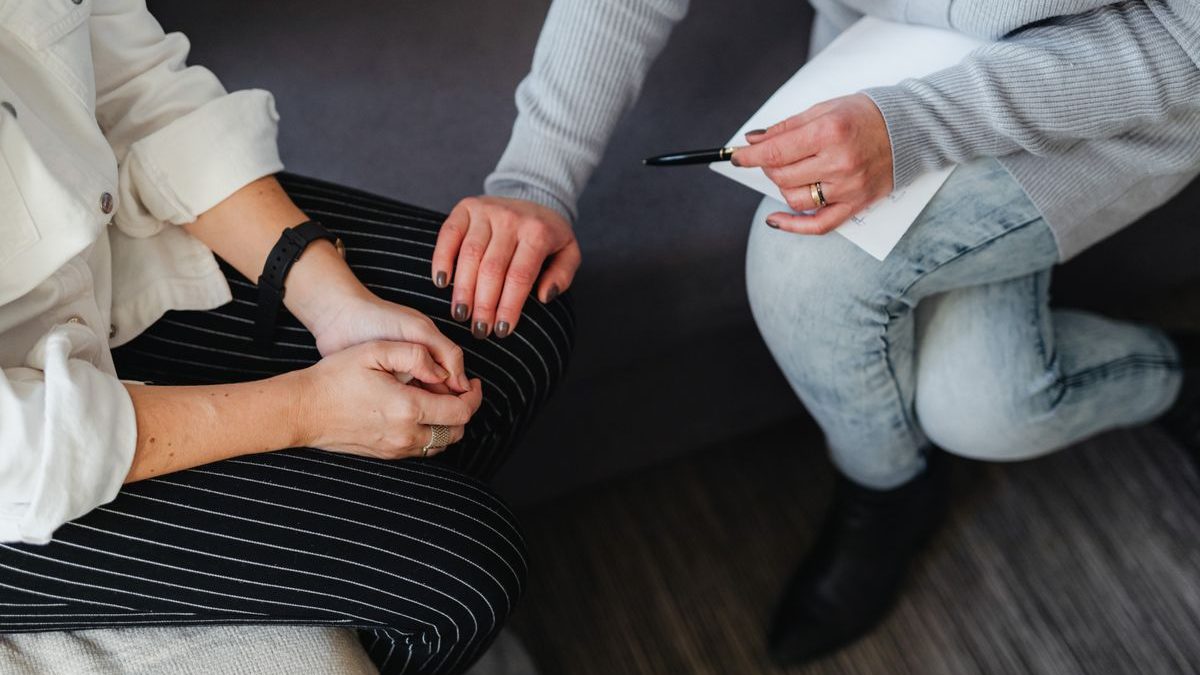
Wellbeing Support Directory
This directory does not triage, diagnose, or score anyone.
Health System Comparison
Compare six countries side by side: who pays, who delivers care, what is free at the point of use, life expectancy and spending.
Published 7 November 2026 · Last reviewed 7 November 2026
Guides
Read a guide
Eleven hubs organise everything on the site by the question they answer.
Systems Explained
How housing, education, income, water and services shape health across a population.
Global Data Explained
What published worldwide figures mean — climate, air, sun, life expectancy and WHO data.
Policy Compared
How countries organise and pay for healthcare, compared side by side.
Awareness and Attitudes
Stigma, health literacy, skin health and awareness days.
Environment and Daily Life
Air, sun, water, food safety, being prepared, and staying healthy when you travel — the everyday side of public health.
Diseases and Outbreaks
Outbreaks and diseases in plain language — what is happening, what it means, and where the official figures sit.
Mental Health and Wellbeing
Mental health in plain language — understanding, support routes, and tackling stigma.
Vaccines
Vaccines in plain language — how they work, the schedules, and the official sources.
Life Course
Health from birth to older age — pregnancy, childhood, and ageing well.
Country Profiles: Europe
Thirty European health systems, compared in the same plain-language template.
Country Profiles: the Americas, Asia, Africa and the Middle East
Twenty-six health systems outside Europe, in the same plain-language template.
Most useful
Most useful starting points
We publish no readership figures, so this is a curated list, not a most-read ranking.
Latest guides
Latest guides
The 12 most recently updated guides, newest first. The full list is on the Guides page.
Adult vaccinations: CDC vs WHO
What the CDC adult immunisation schedule lists for the United States in 2025, and how it differs from the WHO global schedule — with the court-stay note that keeps it current.
Published 6 November 2026 · Last reviewed 7 November 2026 · Next review 7 May 2027
After you land: symptoms to watch
After you land: the symptoms to watch in the weeks after travel, what to do, and why telling a clinician about travel history matters.
Published 6 November 2026 · Last reviewed 7 November 2026 · Next review 7 May 2027
Air quality index, explained
The Air Quality Index, explained in plain language: what the number means, how it is calculated, why scales differ by country, and where to check it.
Published 6 November 2026 · Last reviewed 7 November 2026 · Next review 7 May 2027
Antenatal care and why it matters
WHO recommends eight antenatal contacts, the first within 12 weeks. What antenatal care is, and why the four-visit figure is out of date.
Published 6 November 2026 · Last reviewed 7 November 2026 · Next review 7 May 2027
At the airport and on the plane
Staying healthy in transit: hand hygiene, what screening is, reporting illness at the airport, and the fit-to-fly questions travellers ask.
Published 6 November 2026 · Last reviewed 7 November 2026 · Next review 7 May 2027
Before you fly: health checks
Before you fly: the health checks for air travellers — documents, insurance, medicines, health declarations and where to verify entry rules.
Published 6 November 2026 · Last reviewed 7 November 2026 · Next review 7 May 2027
Bird flu (H5N1): the real risk
Bird flu H5N1 has spread in animals to all seven continents, but human cases are rare and the risk to the general public is low. What the risk really is, from the joint FAO/WHO/WOAH assessment.
Published 6 November 2026 · Last reviewed 7 November 2026 · Next review 7 May 2027
Breastfeeding and first foods
Only about 47% of infants are exclusively breastfed. WHO's feeding recommendations and the global malnutrition figures, in plain language.
Published 6 November 2026 · Last reviewed 7 November 2026 · Next review 7 May 2027
Child immunisation: the global schedule
What the WHO routine schedule covers for children, from birth to adolescence — and the 2025 coverage figures, in plain language.
Published 6 November 2026 · Last reviewed 7 November 2026 · Next review 7 May 2027
Children's mental health
What families should know: how common mental health conditions are in children, the first five years, risk and protective factors.
Published 6 November 2026 · Last reviewed 7 November 2026 · Next review 7 May 2027
Cholera: why it keeps coming back
Cholera killed more people in 2025 than in any year since 1999. Why it keeps returning, who it hits hardest, and how it is prevented, from WHO sources.
Published 6 November 2026 · Last reviewed 7 November 2026 · Next review 7 May 2027
Clean water and children's health
Diarrhoea kills about 443,832 children under five a year. How water, sanitation and hygiene shape children's health, in WHO's figures.
Published 6 November 2026 · Last reviewed 7 November 2026 · Next review 7 May 2027
The basics
What is public health?
Public health is the organised effort of society to prevent disease, prolong life and promote health. It works at the level of whole populations, not individual patients: clean air and water, safe food, vaccination programmes, housing, education and income all shape health across a population. That population focus is what separates public health from healthcare, which treats people one by one when they are unwell.
Protect
Protecting people from threats to their health: clean air, clean water, safe food, and control of infectious disease.
Improve
Improving the conditions in which people live: housing, education, income and neighbourhoods, and reducing unfair differences in health between groups.
Make services work
Making health services effective, efficient and equally accessible, so that care reaches everyone who needs it.
Around the world
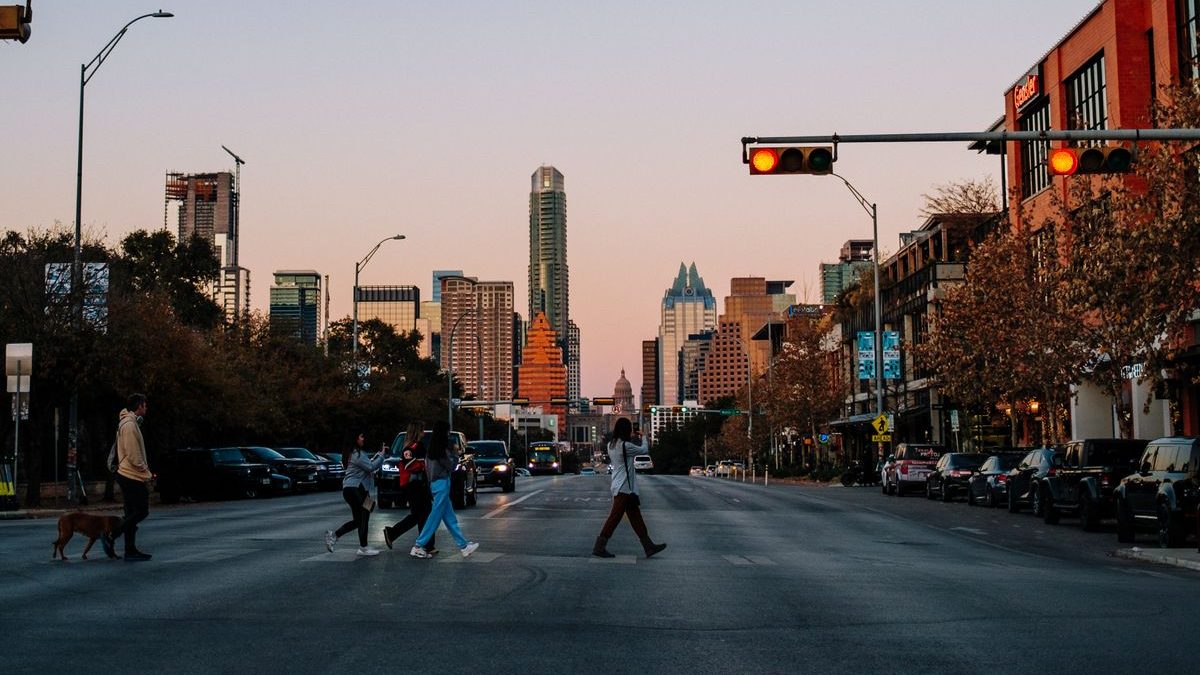
Public health around the world
Every country organises public health differently, but the same questions come up everywhere: who pays, who delivers care, what the data shows, and how attitudes shape what works. The hubs above take each question in turn, with examples from many countries and no country claimed as the best. Start with Systems Explained for the foundations, or Global Data Explained for the numbers. See also Health Pages the Web Links to Most — the health pages other websites link to most.
Questions
Frequently asked questions
Sources used on this page:
Is this site medical advice?
No. Content here is for general public awareness only. It does not diagnose, treat, or advise any individual about their health. See the Disclaimer.
Who is this site for?
General readers worldwide who want plain-language, sourced explanations of public health systems, data and policy.
Is this site affiliated with WHO or CDC?
No. It is not affiliated with, endorsed by, or speaking for WHO, CDC, NHS, or any government body. Sources are linked where figures are used.
Is this site live?
Yes. This is the live site, at publicheatlh.com.
Start exploring
Look up a value, work through a checklist or read how a health system fits together.